IWRC vs. FC: The Key Differences That Impact Wire Rope Performance
Wiki Article
If you’ve ever sourced or specified wire rope for cranes, hoists, or industrial equipment, you’ve probably run into two terms: IWRC and FC.
At first glance, they look like minor technical details. In reality, choosing the wrong core type can affect safety, lifespan, and performance.
Let’s break it down in a simple, real-world way.
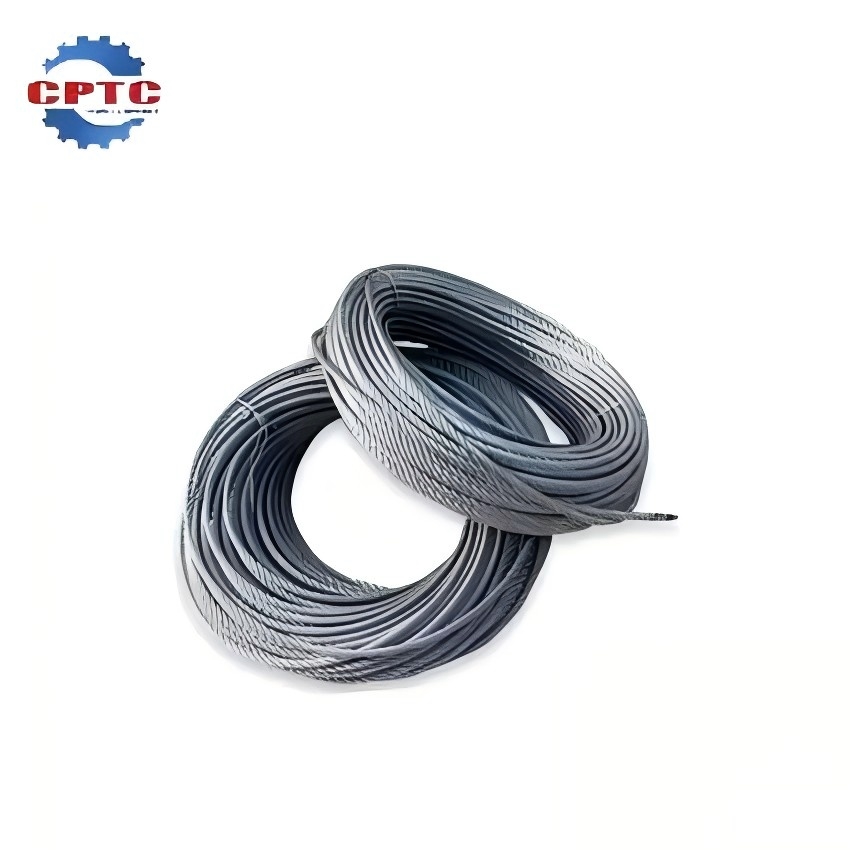
IWRC vs. FC: What Do They Actually Mean?
The difference comes down to the core inside the wire rope.
- IWRC (Independent Wire Rope Core)
A steel wire rope core inside the main rope - FC (Fiber Core)
A core made from natural or synthetic fibers
That internal structure directly impacts how the rope handles load, pressure, and wear.
Key Differences at a Glance
Feature | IWRC (Steel Core) | FC (Fiber Core) |
Strength | Higher (≈10–15% stronger) | Lower |
Flexibility | Moderate | High |
Crushing Resistance | Excellent | Limited |
Durability | Longer lifespan | Shorter lifespan |
Heat Resistance | High | Low |
Lubrication | External | Absorbs lubricant |
Best Use | Heavy-duty lifting | Light/medium-duty use |
Strength & Load Performance
If you’re dealing with heavy loads, IWRC is the clear winner.
Because of its steel core, IWRC wire rope:
- Has a higher breaking strength
- Maintains its shape under load
- Performs better in critical lifting applications
FC ropes, on the other hand, are better suited for:
- Lighter loads
- Less demanding environments
In crane operations, IWRC is often the default choice for safety reasons.
Flexibility & Handling
This is where FC shines.
- FC wire rope bends more easily
- Works better with small sheaves
- Reduces stress in systems with frequent bending
IWRC is stiffer, which can make installation slightly harder—but that stiffness also adds stability.
Durability in Real Working Conditions
In the field, durability matters more than specs.
- IWRC resists crushing and deformation, especially in:
- Multi-layer drum winding
- High-load cycles
- Harsh industrial environments
- FC can compress over time, which may lead to:
- Loss of shape
- Reduced lifespan
If your rope sees pressure + repetition, IWRC lasts significantly longer.
Heat and Environment Resistance
Not all environments are equal.
- IWRChandles high temperatures and friction much better
- FCcores can degrade under heat and moisture
For industries like steel, marine, or heavy manufacturing, IWRC is the safer bet.
Report this wiki page